
Florida’s climate can be both beautiful and brutal — heavy rain, intense heat, and shifting soil conditions all take a toll on outdoor surfaces. That’s why many homeowners across the state are choosing interlocking pavers as a smarter, longer-lasting alternative to traditional concrete or asphalt.
In this post, we’ll explore the top benefits of interlocking pavers for Florida driveways, patios, and walkways — and why they’re a perfect match for properties in areas like Ocoee, Mount Dora, and beyond.
What Are Interlocking Pavers?
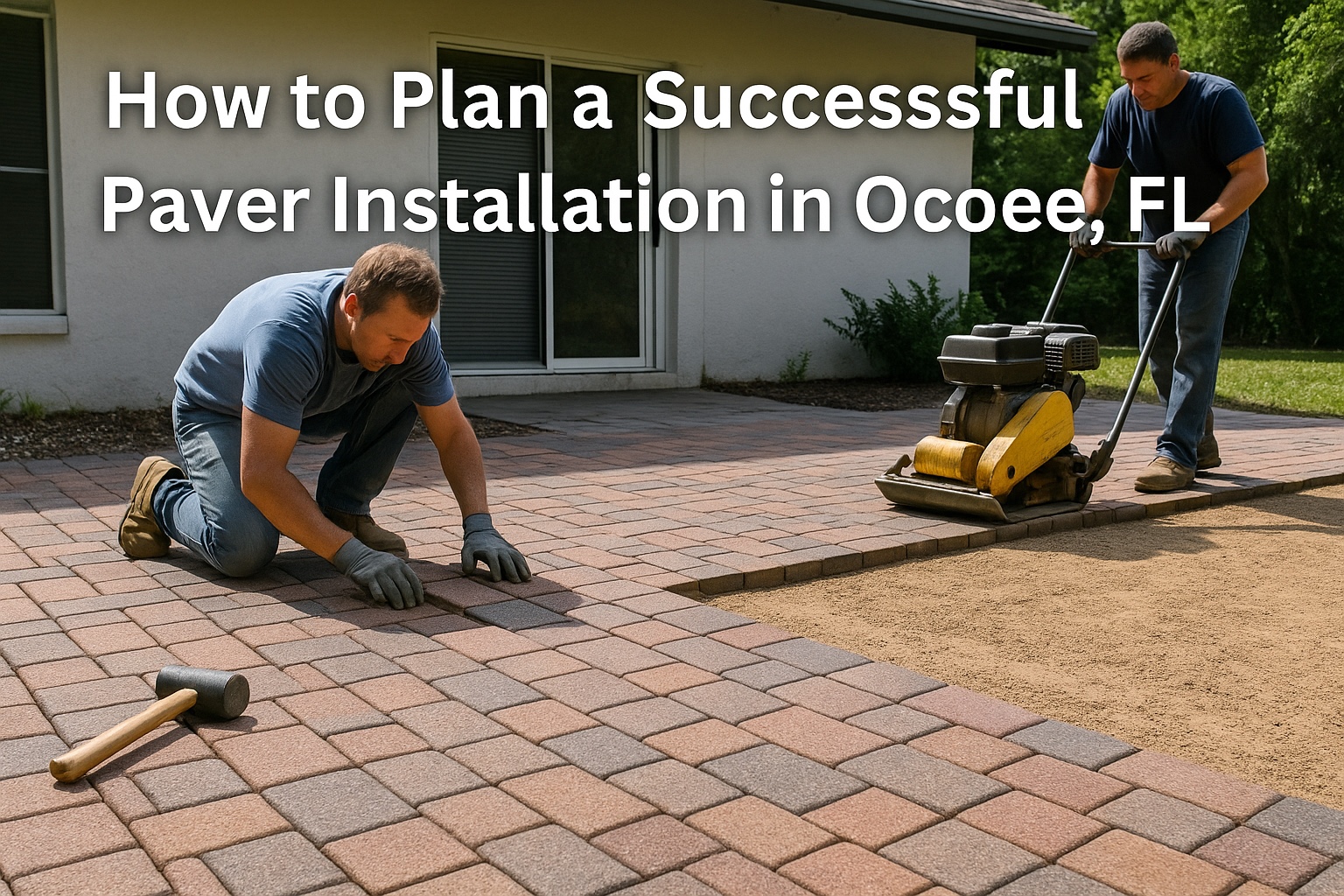
Interlocking pavers are individual paving units designed to fit together in a tightly connected pattern. Unlike poured concrete, they do not form a single slab, which gives them flexibility and durability. They’re typically made from concrete or stone and are laid over a compacted base with joint sand locking them in place.
1. Exceptional Durability in Florida’s Climate
One of the main reasons interlocking pavers are ideal for Florida is their ability to handle extreme conditions:
• Withstand heavy rain without cracking or pooling
• Flex slightly with ground movement (resist shifting and cracking)
• Hold up under high temperatures and UV exposure
In hurricane-prone regions, this added flexibility can be a major advantage compared to rigid concrete slabs that are prone to cracking under pressure.
2. Fast Drainage and Permeability
Florida’s frequent downpours make drainage a top concern for homeowners. Interlocking pavers, when installed correctly, allow rainwater to drain between the joints, preventing puddling and reducing runoff.
Even better, when paired with permeable base layers, they can become part of an eco-friendly drainage solution that helps recharge groundwater and comply with local regulations.
3. Easy to Repair and Maintain
Concrete slabs can crack, stain, and require expensive repairs. With interlocking pavers:
• Damaged pavers can be replaced individually
• No need to tear out entire sections
• Cleaning and sealing is simple and infrequent
• Resistant to oil, mold, and mildew when sealed properly
This modular structure saves time and money over the long term — especially for driveways or high-traffic walkways.
4. Increased Curb Appeal and Property Value
Interlocking pavers come in a variety of:
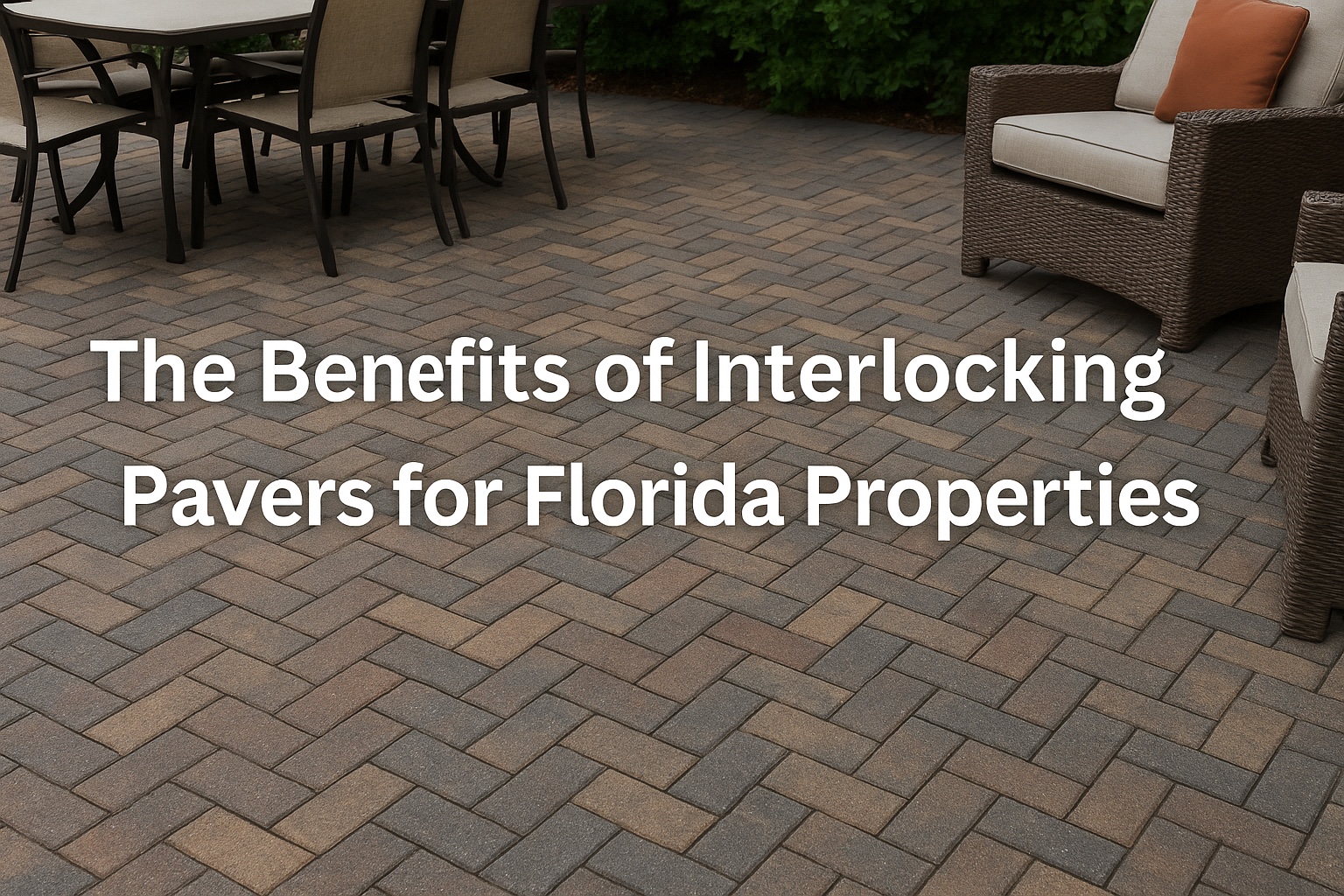
• Shapes (hexagon, herringbone, basketweave)
• Colors (gray, red, tan, multi-blends)
• Finishes (textured, tumbled, smooth)
The design flexibility allows you to match your home’s architecture or create a unique, upscale look. Professionally installed pavers can boost your home’s perceived value and make a strong first impression.
5. Slip Resistance and Safety
Unlike slick concrete or tile surfaces, pavers typically provide more grip — even when wet. This is especially important for:
• Pool decks
• Outdoor steps
• Pathways used by kids or elderly residents
In Florida’s humid and often rainy environment, safety is a key reason to go with pavers.
6. Low Lifetime Cost
While interlocking pavers may cost slightly more upfront than poured concrete, they often last longer and require fewer repairs. Over 10 to 20 years, that adds up to a better return on investment.
And because they’re easy to clean and maintain, you won’t spend a fortune on sealing, patching, or resurfacing.
Popular Uses for Interlocking Pavers in Florida:
• Driveways: Handles heavy vehicle loads and heat
• Patios: Decorative + comfortable underfoot
• Pool Decks: Safe, slip-resistant, and heat reflective
• Walkways: Durable and visually appealing
• Outdoor kitchens: Adds structure and style
If you’re a Florida homeowner looking for a resilient, stylish, and low-maintenance paving option, interlocking pavers check all the boxes. They’re built to handle our climate, easy to maintain, and offer unmatched flexibility in design.
Want to explore interlocking pavers for your project?
Contact Ocoee Paver Pro today and speak with a local expert about your design goals, budget, and timeline.